No products in the Quote.
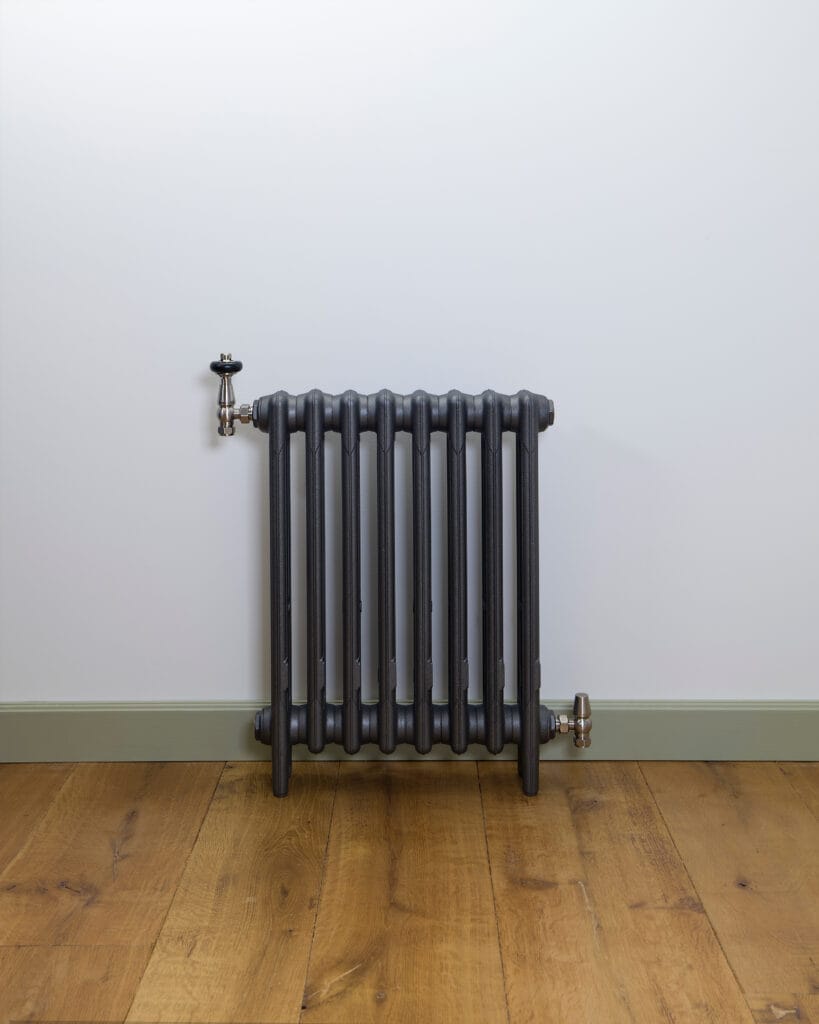
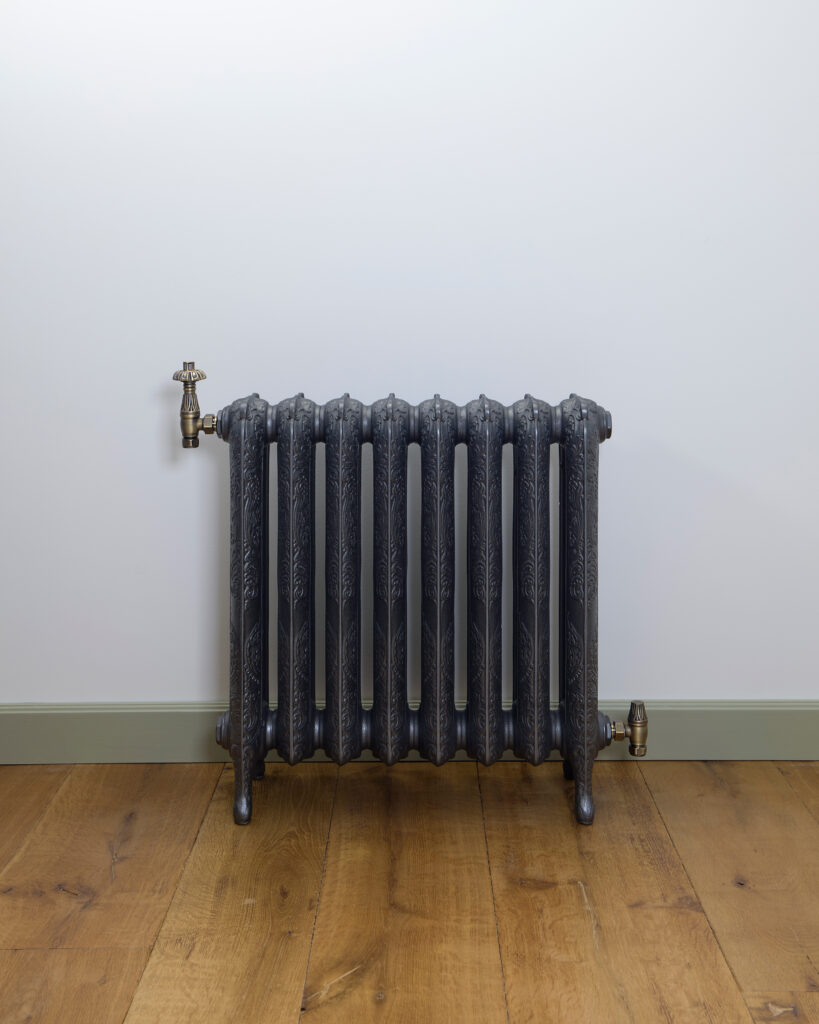
Ein Heizkörper muss mehr können, als nur Wärme erzeugen. In klassischen wie modernen Räumen wird er heute auch zum gestalterischen Element. Gusseisenradiatoren wie unsere Modelle der Serie ROYAL vereinen Funktionalität, Qualität und Design auf höchstem Niveau. Doch worauf sollte man bei der Auswahl eines solchen Radiators achten?
Warum Gusseisen?
Gusseisen ist ein Material mit außergewöhnlichen Eigenschaften. Seit über einem Jahrhundert wird es für Heizkörper eingesetzt – und das aus gutem Grund:
- Hohe Wärmespeicherkapazität: Gusseisen speichert Wärme länger als moderne Stahlradiatoren. Auch Stunden nach dem Abschalten der Heizung ist die Wärme im Raum noch spürbar.
- Sanfte Strahlungswärme: Die Wärme wird gleichmäßig und angenehm abgegeben – ideal für Wohnräume.
- Extrem langlebig: Bei sachgemäßer Pflege können Gusseisenradiatoren jahrzehntelang zuverlässig funktionieren – viele Modelle überleben Generationen.
Technische Überlegungen – Form folgt Funktion
Die Wahl des richtigen Radiators ist nicht nur eine Frage des Stils. Auch technische Aspekte spielen eine Rolle:
- Bauart: Ein-, zwei- oder dreireihig – je nachdem, wie viel Heizleistung benötigt wird und wie viel Platz vorhanden ist.
- Größe und Elemente: Die Modelle sind modular aufgebaut. Ein ROYAL Radiator kann zwischen 3 und 40 Elemente umfassen. Längere Varianten ab 16 Elementen werden vor Ort aus Teilstücken montiert.
- Heizleistung: Die Dimensionierung sollte immer auf den Raum abgestimmt sein. Eine Heizlastberechnung durch Fachleute ist empfehlenswert.
- Anschlüsse & Ventile: Passende Ventilsätze – klassisch oder modern – sind entscheidend für die Funktion und Optik. Wir führen abgestimmte Modelle für jedes unserer Radiatorenformate.
Ästhetik & Individualisierung
Ein ROYAL Gusseisenradiator ist mehr als ein Wärmespender – er ist ein stilprägendes Element im Raum.
- Originale Ornamentformen: Die Modelle werden nach historischen Vorlagen gegossen – mit floralen, geometrischen oder klassischen Verzierungen im Stil des Jugendstils.
- Vielfältige Farbtöne: Standardfarben wie CAST (Gusseisen matt), WHI (Weiss matt) oder BLA (Schwarz matt) stehen zur Auswahl. Auf Wunsch auch in exklusiven Farrow & Ball Tönen oder individuell angefertigten Oberflächen.
- Handguss & Oberflächenveredelung: Jeder Radiator durchläuft einen aufwändigen Produktionsprozess und wird per Hand veredelt.
Fazit: Wärme mit Haltung
Ein Gusseisenradiator ist nicht nur funktional – er bringt Charakter, Geschichte und Handwerkskunst in den Raum. Er spendet nicht nur Wärme, sondern strahlt Substanz und Stil aus. Wer sich für einen ROYAL Radiator entscheidet, entscheidet sich für ein Produkt, das über Jahrzehnte hinweg zuverlässig, schön und zeitlos bleibt.
Lassen Sie sich bei uns beraten – wir helfen Ihnen, das passende Modell für Ihre Räume zu finden.

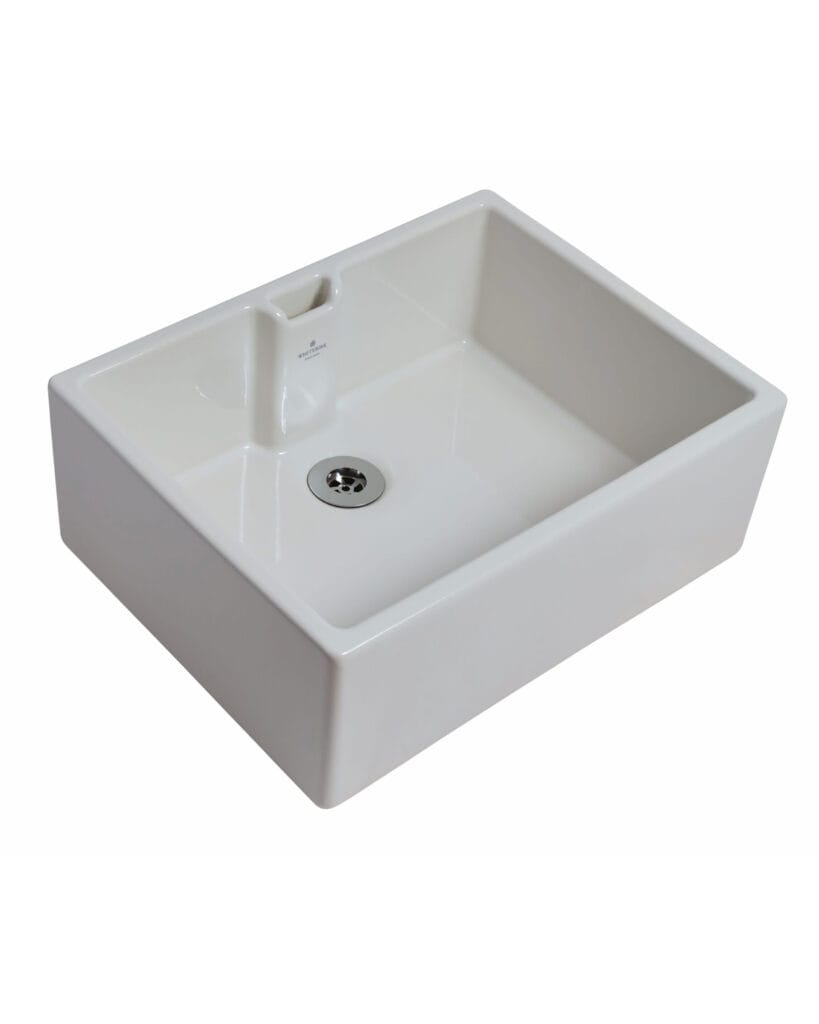
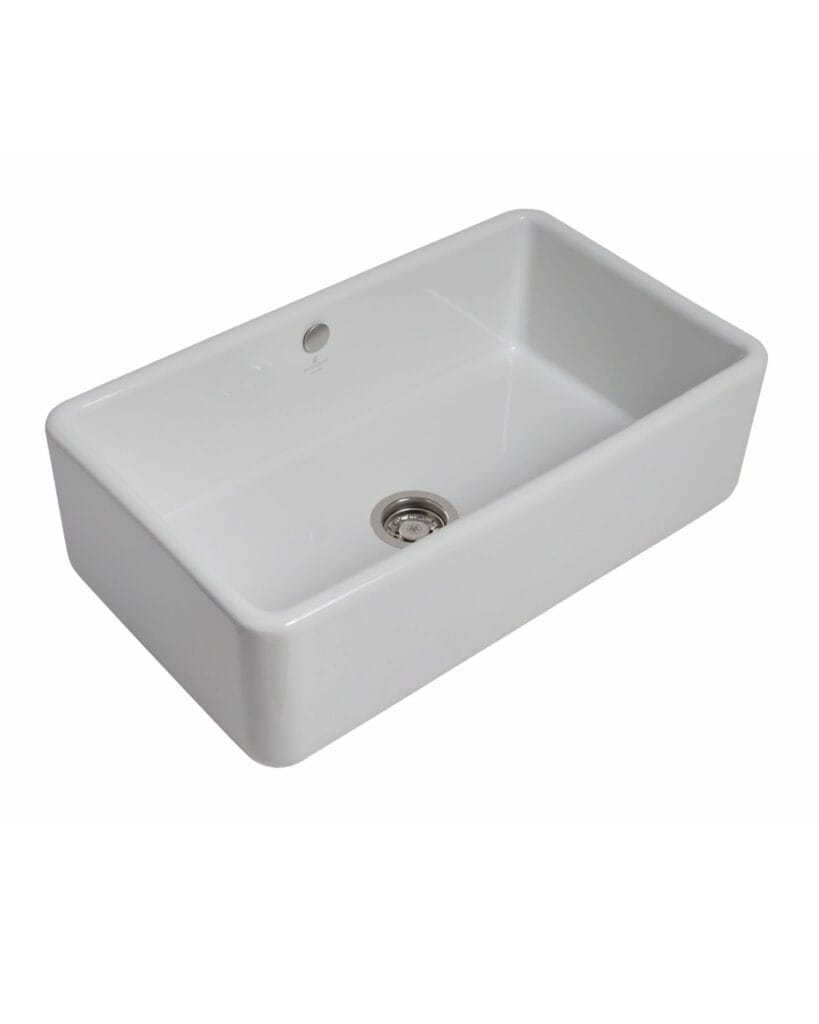
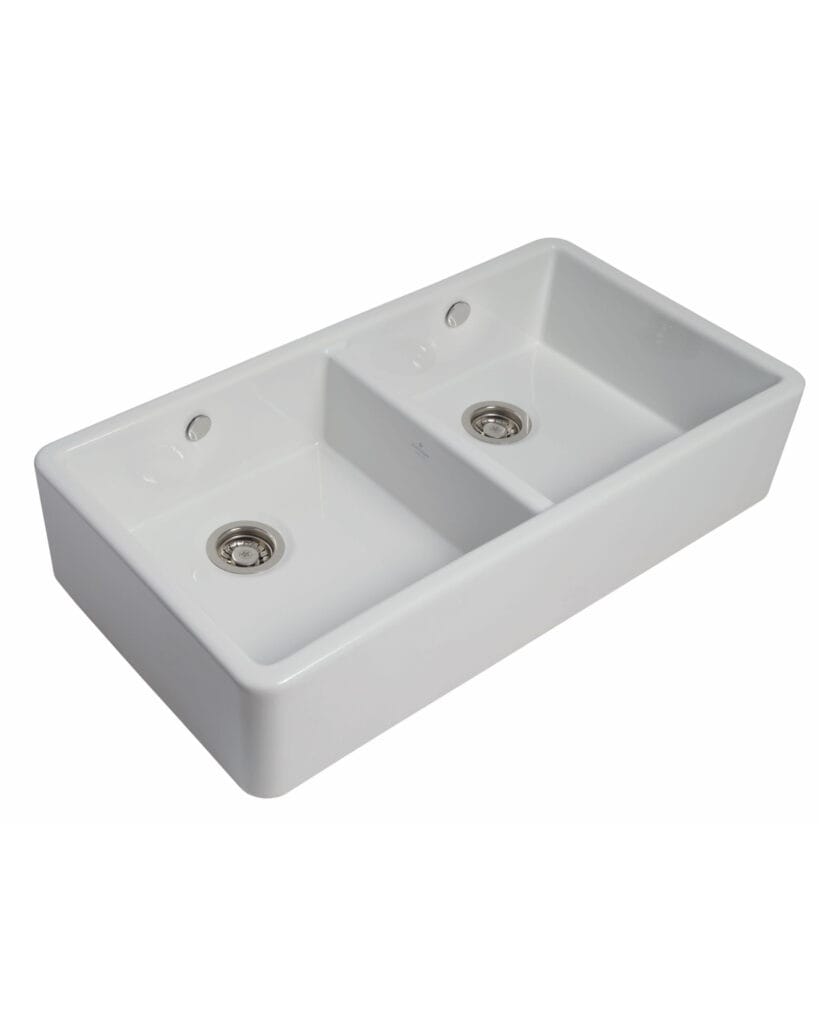
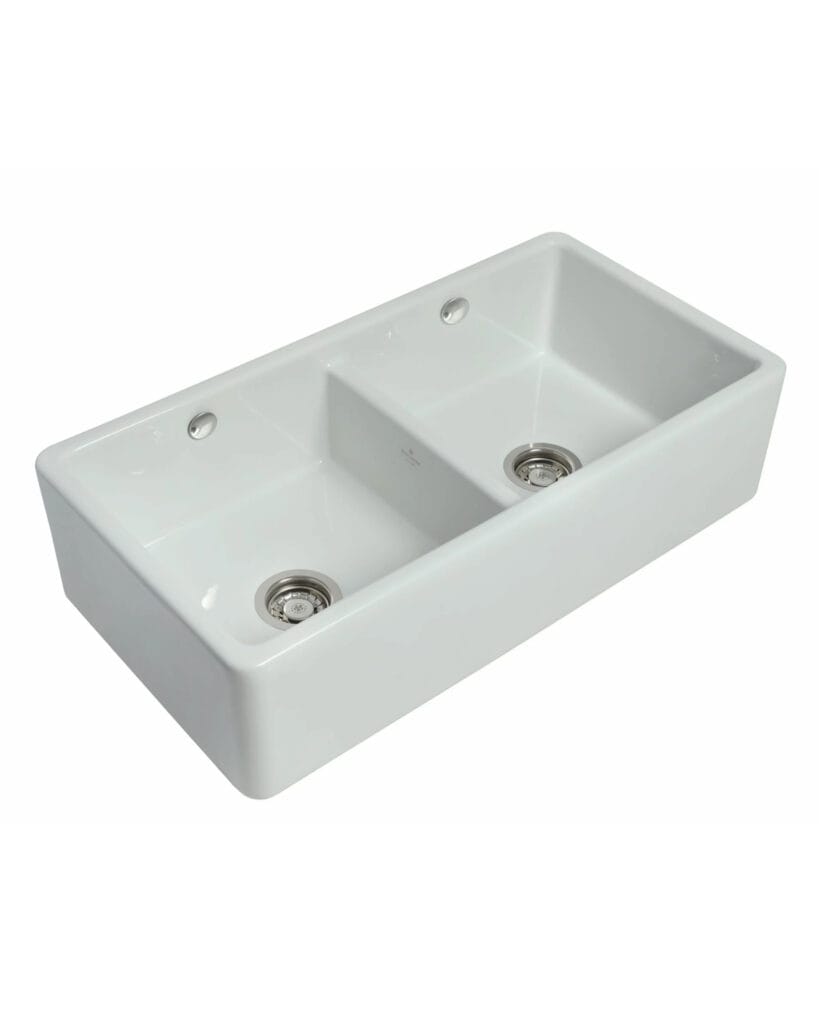
In einer Zeit, in der Massenproduktion und Kunststoff viele Küchen dominieren, wächst die Sehnsucht nach Beständigkeit, Substanz und echtem Handwerk. Unsere Spülbecken aus echtem Hartsteingut, gefertigt in einer traditionsreichen Manufaktur im Norden Englands, stehen genau für diese Werte: Qualität, Langlebigkeit und zeitlose Schönheit.
Was ist Hartsteingut?
Hartsteingut ist ein besonders robustes keramisches Material, das bei sehr hohen Temperaturen gebrannt wird. Es entsteht durch eine spezielle Tonmischung, die nach dem Brennen eine extrem dichte, widerstandsfähige Struktur entwickelt.
Im Gegensatz zu herkömmlichem Porzellan oder Feinsteinzeug ist Hartsteingut:
- nicht porös – dadurch besonders hygienisch und fleckenresistent,
- stoßfest – es hält selbst stärkeren Belastungen im Küchenalltag stand,
- wärmebeständig – heiße Töpfe oder kochendes Wasser können bedenkenlos hineingestellt werden.
Handgefertigt mit Sorgfalt – jedes Becken ein Unikat
Die Herstellung eines unserer Hartsteingutspülbecken ist ein langwieriger, präziser Prozess, der großes handwerkliches Können erfordert. Zunächst wird eine Gussform in traditioneller Weise von Hand gebaut. In diese Form wird dann eine speziell abgestimmte Hartsteingutmasse gegossen.
Nach mehreren Tagen Trocknungszeit wird das Rohbecken aus der Form genommen, von Hand verfeinert und auf Makellosigkeit geprüft. Anschließend erfolgt der mehrstufige Brennprozess. In der letzten Phase wird eine Glasur aufgetragen und bei über 1200 °C eingebrannt – sie verleiht dem Becken seine charakteristische, leicht glänzende Oberfläche.
Warum ist Hartsteingut perfekt für die Küche?
Unsere Becken aus Hartsteingut vereinen Funktionalität mit Tradition:
- Sie sind extrem langlebig – ein richtig gepflegtes Becken hält über Generationen hinweg.
- Sie sind pflegeleicht – ein feuchtes Tuch genügt meist zur Reinigung. Keine aggressiven Reinigungsmittel notwendig.
- Sie haben eine natürliche Ausstrahlung – sie fügen sich mühelos in klassische wie auch moderne Küchen ein.
Fazit: Qualität, die man fühlt
Ein Spülbecken aus Hartsteingut ist nicht einfach ein funktionales Objekt – es ist ein architektonisches Element, ein Zeichen für Stil und Wertschätzung echter Materialien. Wer sich für Hartsteingut entscheidet, entscheidet sich für ein Produkt, das mit Sorgfalt und Erfahrung gefertigt wurde – und das ein Zuhause über Jahrzehnte hinweg bereichert.
Erleben Sie bei uns die Qualität echter Handwerkskunst – handmade in England.
Empfohlene Produkte
The cooker is a central part of kitchens around the world, but its development is a story of gradual innovation over centuries. From the open fires of antiquity to the sophisticated appliances we know today, the evolution of the cooker reflects the overall changes in society, technology and domestic life.
Early cooking methods
For thousands of years, people cooked over an open fire, usually on a hearth in the centre of a room or house. The hearth provided heat, light and a way to prepare food, but was inefficient and dangerous. Smoke often filled the living space, and cooking required constant attention to maintain the fire and control the heat. Despite these challenges, the hearth remained the main cooking method for centuries and was widely used in all social classes.
The introduction of the closed cooker
The first significant advance in cooking technology came in the 18th century with the invention of the closed cooker. One of the most influential early designs was the Franklin stove, developed by Benjamin Franklin in 1742. Although it was primarily intended for heating, the Franklin stove had a closed firebox that improved fuel efficiency and reduced smoke in the home.
Franklin's design was particularly innovative as he used a deflection system that channelled the hot air flow through the stove before it exited through the chimney. This increased the heat output and used less wood at the same time. Although the Franklin stove was initially used more for heating, its principle formed the basis for later cooker designs.
The rise of the cast-iron cooker
In the early 19th century, cast iron stoves began to appear, manufactured in foundries mainly in Europe and North America. These stoves were usually made by pouring molten iron into sand moulds, a method that allowed for mass production and intricate designs. The first true kitchen cookers, which combined a cooker with an oven, appeared around this time.
One of the earliest examples was the Rumford stove, invented by Sir Benjamin Thompson (Count Rumford) in the early 1800s. The Rumford cooker had multiple fireboxes and was more efficient and versatile than earlier models. It allowed cooks to prepare several dishes at the same time at different temperatures, which was a significant innovation for the time.
Initially, these stoves were expensive and were mainly found in the homes of the wealthy. As production techniques improved and the cost of cast iron fell, stoves became accessible to the middle classes in the mid-19th century. By the 1850s, cast iron stoves were widely used in urban households, especially in Europe and the United States.
The advent of gas ovens
The next major development in cooker technology was the introduction of gas ovens in the 1820s. The first gas cooker was patented by James Sharp in England in 1826. Gas stoves offered several advantages over wood and coal stoves, including instant heat, more precise temperature control and the ability to switch off the heat immediately after cooking.
In the 1880s, gas cookers were used more and more frequently, especially in urban areas where gas pipes were laid for lighting and heating. However, it was not until the beginning of the 20th century that gas cookers became widespread in both Europe and North America. Due to the cost of installation and the availability of gas pipes, gas cookers were initially slower to catch on among the working classes, but by the 1920s they were standard equipment in many households.
The introduction of electric cookers
Electric cookers were introduced in the late 19th century when Canadian inventor Thomas Ahearn applied for the first patent for an electric cooker in 1892. Unlike gas cookers, which required a constant supply of gas, electric cookers were powered by electricity, which was becoming increasingly available, especially in urban areas.
The first electric cookers were bulky and expensive, which limited their initial acceptance. However, as electrical infrastructure and stove design improved in the early 20th century, electric stoves became more practical and affordable. By the 1930s, electric cookers became a popular choice, especially in areas where electricity was more readily available than gas.
Regional contributions and the emergence of Lacanche
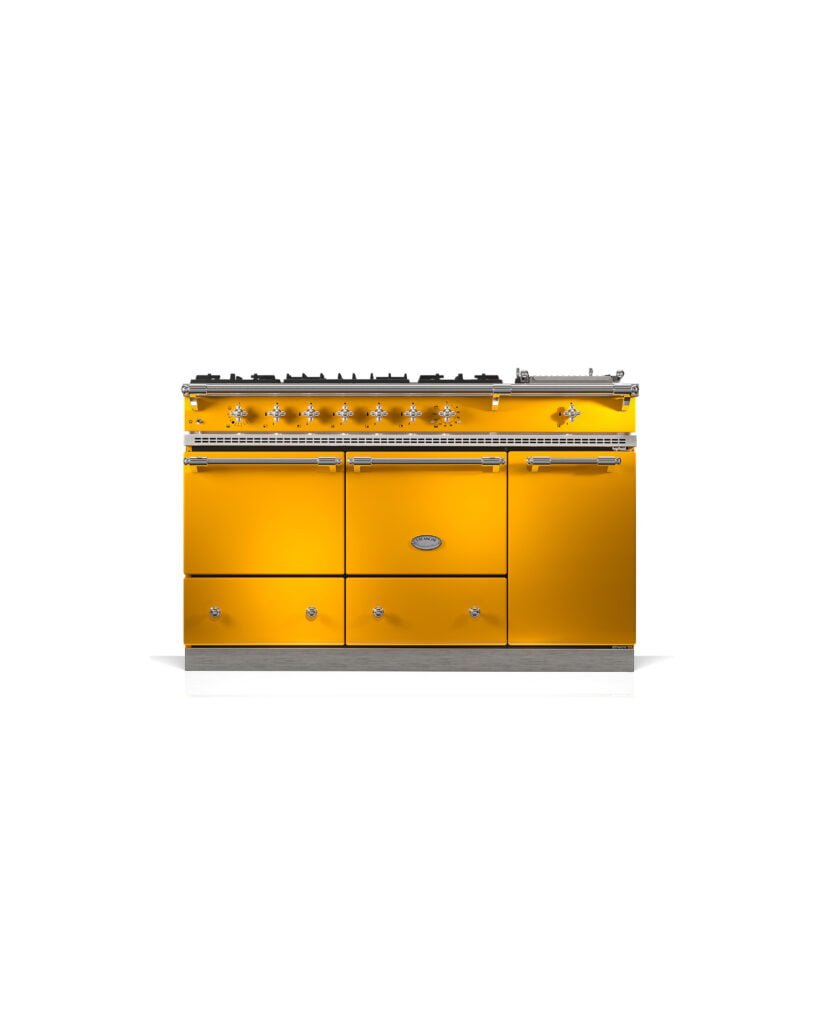
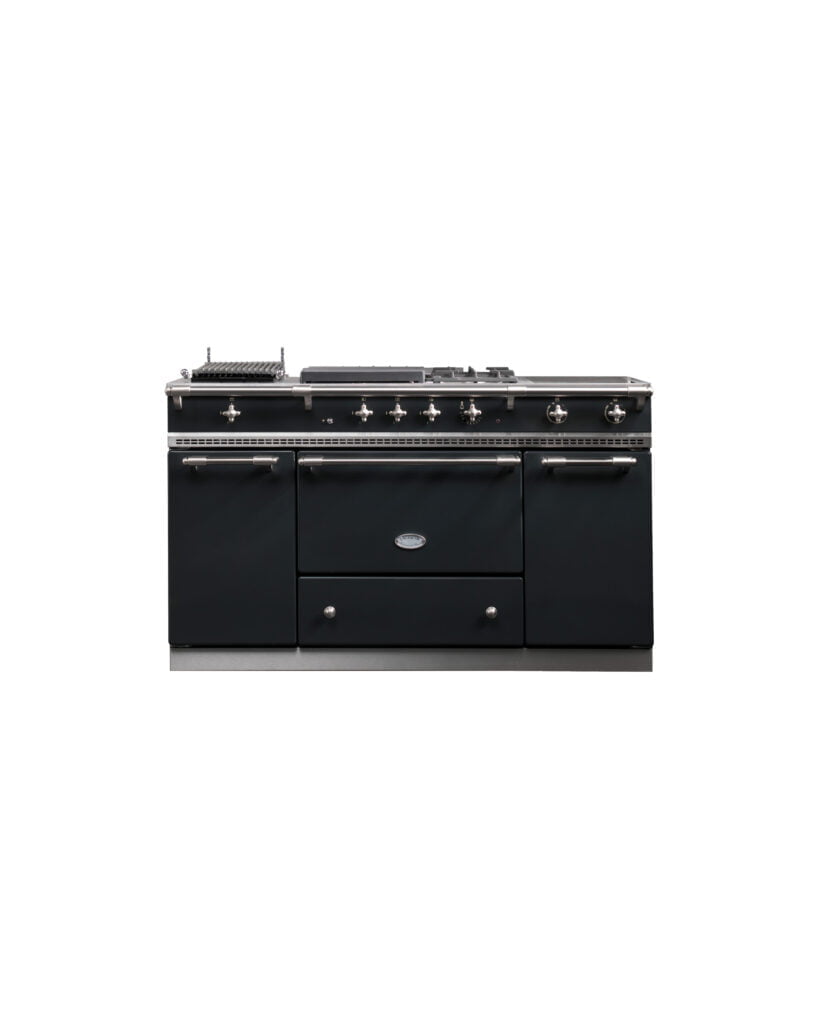
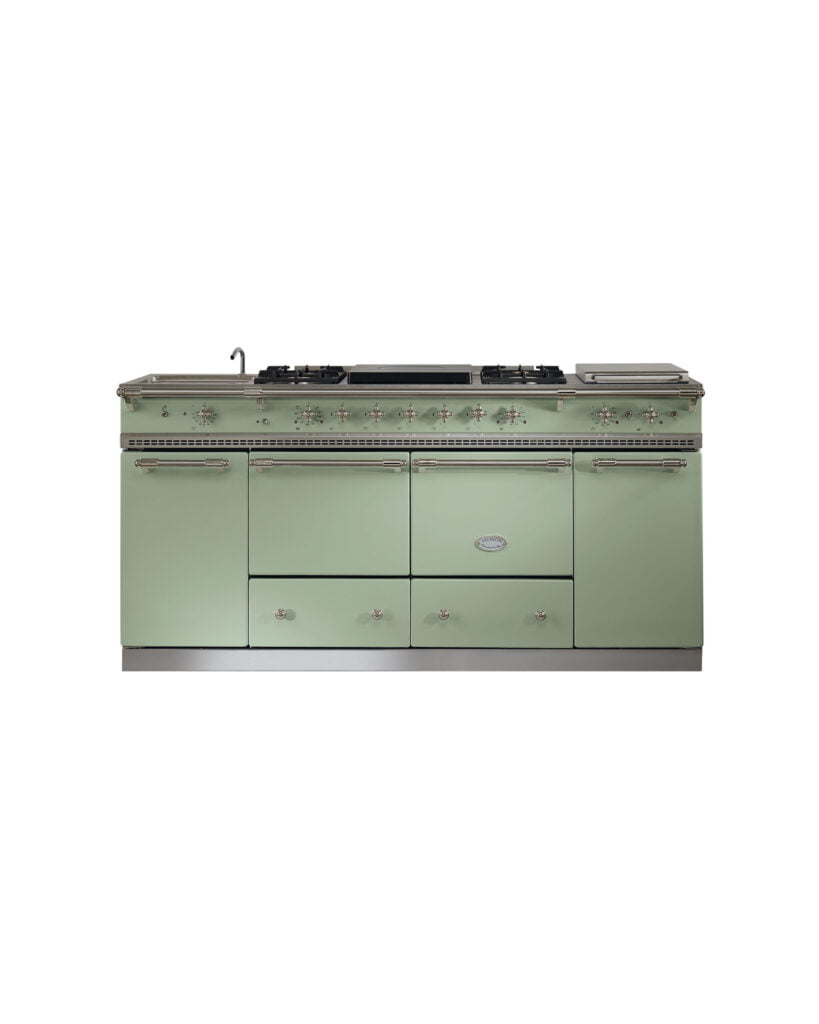
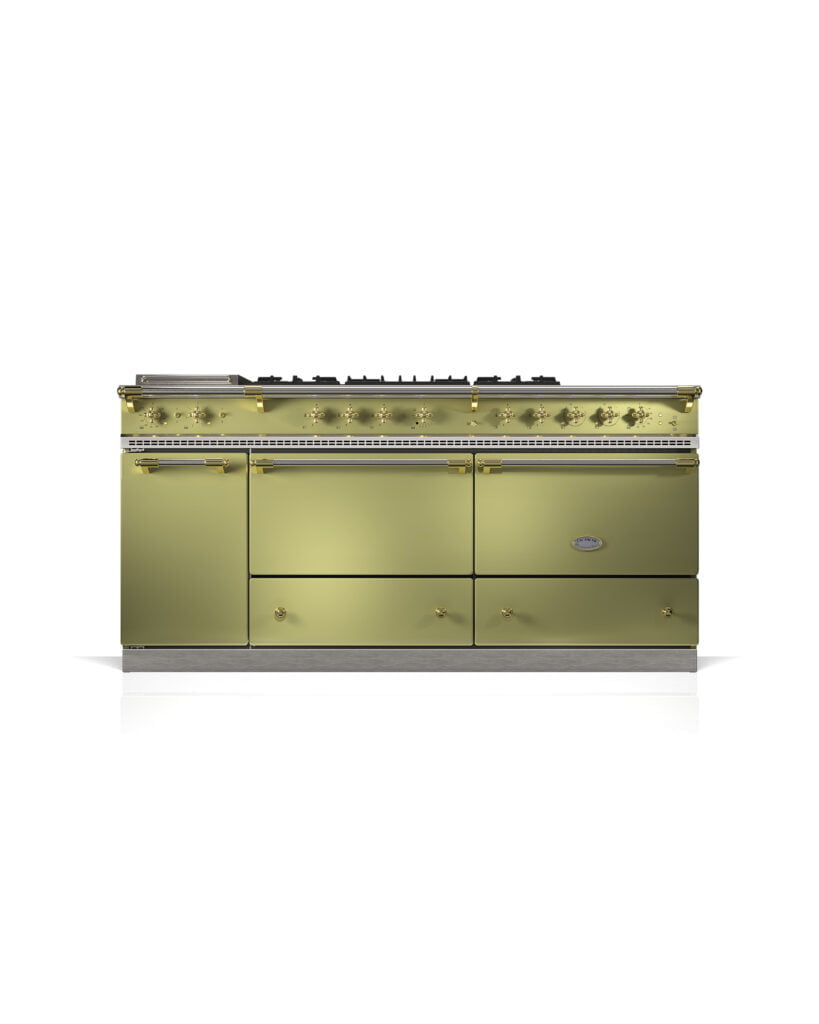
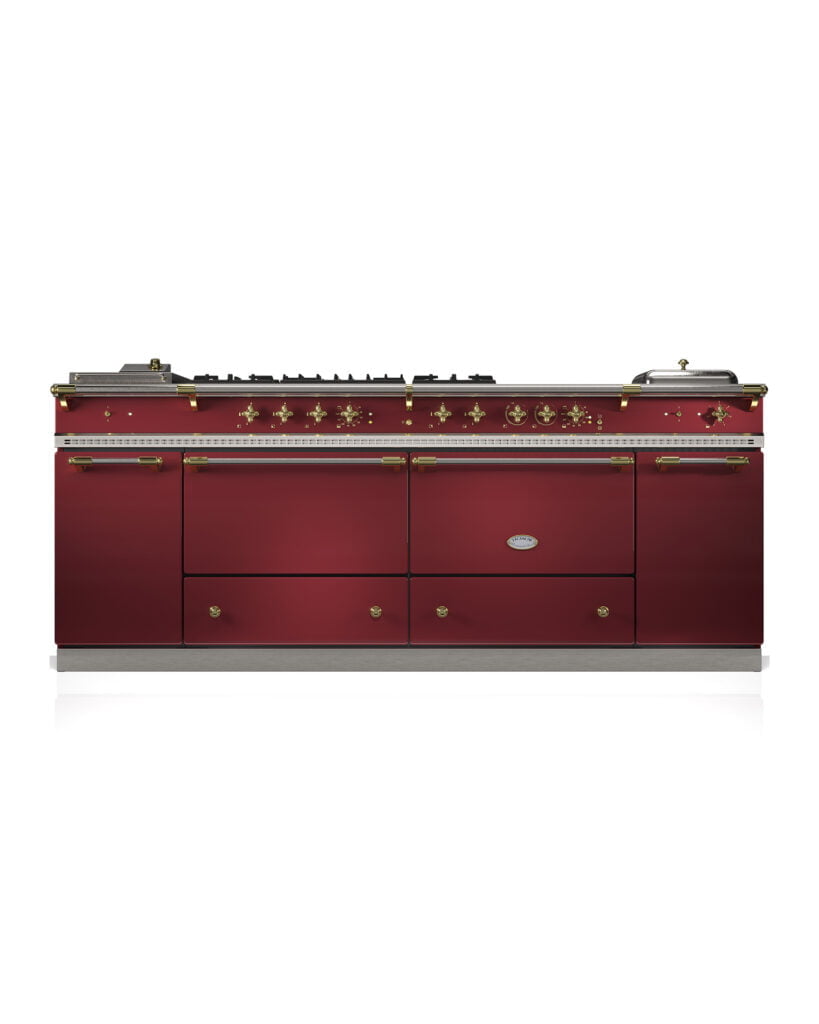
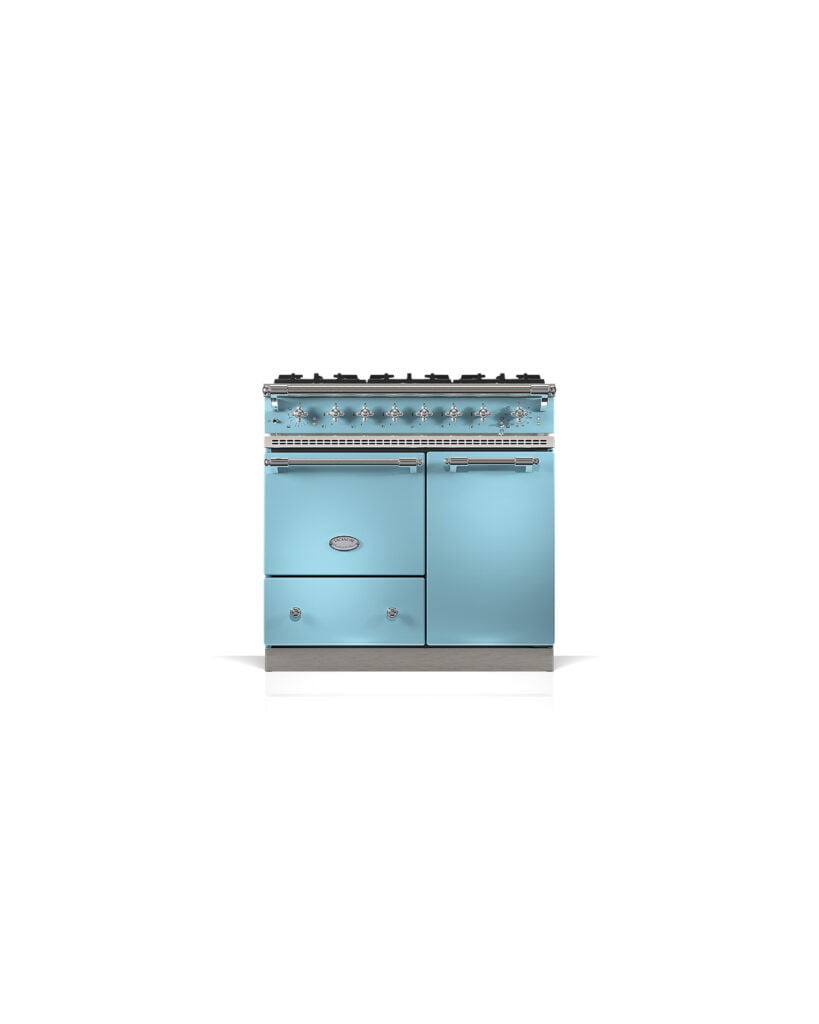
In the midst of advances in kiln technology, certain regions became known for their contributions to the craft. The village of Lacanche in Burgundy, France, is one such place. Lacanche is known for its long history of metalworking and became a centre of furnace production in the 19th century. The stoves from this region were known for their robust construction and reliability, characteristics that made them popular not only in France but throughout Europe.
The cooker in modern times
The 20th century brought further innovations in cooker technology, such as the development of induction hobs, self-cleaning ovens and digital controls. Today, cookers are available in a variety of designs and configurations, from compact models for small city kitchens to large, professional cookers used by amateur cooks and chefs alike.
The history of the cooker is a testament to human ingenuity and the constant search for better, more efficient ways to prepare food. From the open fires of antiquity to the high-tech cookers of today, each step in this evolution has brought us closer to the modern kitchen as we know it.